



- บ้าน,ทาวน์เฮ้าส์,ตึกแถว
- คอนโด,แฟลต,อพาร์ทเม้นท์
- ซื้อขายที่ดิน
- เช่า,เซ้งกิจการ,ขายฝาก,จำนอง,จำนำ
- รถยนต์,ยานพาหนะ
- เครื่องมือ,เครื่องจักร,อุตสาหกรรม
- รับเหมาก่อสร้าง,ออกแบบตกแต่ง
- บริการธุรกิจ
- สัตว์เลี้ยง,ต้นไม้
- คอมพิวเตอร์,ไอที
- ไฟฟ้า,อิเล็คทรอนิกส์
- โทรศัพท์,อุปกรณ์สื่อสาร
- เฟอร์นิเจอร์,ของแต่งบ้าน
- เครื่องเขียน,อุปกรณ์สำนักงาน
- เสื้อผ้า,แฟชั่น,เครื่องประดับ
- ศิลปะ,หัตกรรม,ของที่ระลึก
- สุขภาพ,อาหารเสริม,ความสวยความงาม
- อาหาร,การกิน,จัดเลี้ยง
- กีฬา,อุปกรณ์กีฬา
- ของเก่า,ของสะสม,พระเครื่อง
- กลเกม,ของเล่น,มายากล
- กล้อง,อุปกรณ์,บริการถ่ายภาพ
- ท่องเที่ยว,เดินทาง,ที่พัก
- หนังสือ,นิตยสาร,E-book
- การศึกษา,สอนพิเศษ
- บันเทิง,ดนตรี,ภาพยนตร์
- แม่และเด็ก
- แต่งงาน,วิวาห์

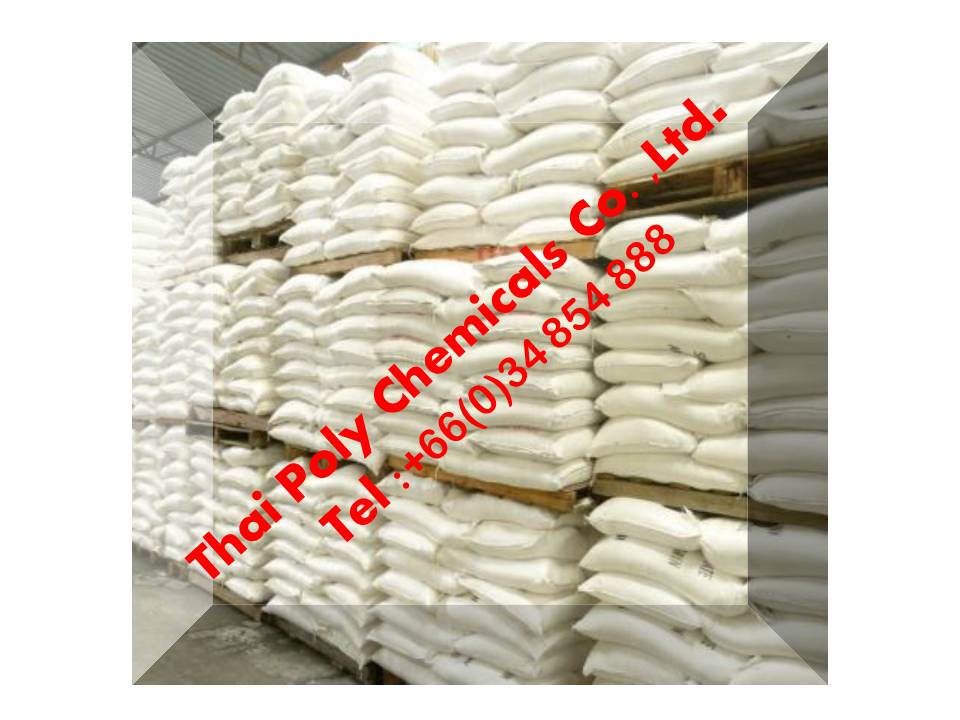
ผงหินปูน100เมซ ผงหินปูน200เมซ ผงหินปูน325เมซ ผงหินปูน500เมซ
หมวดหมู่ประกาศ : เครื่องมือ,เครื่องจักร,อุตสาหกรรม > วัตถุดิบ วัสดุ เคมีภัณฑ์
หมายเลขประกาศ : 1947
ความต้องการ : ขาย
สภาพสินค้า : ใหม่
รุ่น / ยี่ห้อ / โมเดล : 1
ราคา : 1 บาท
จำนวนผู้เข้าชม : 780 คน
เบอร์โทรติดต่อ : 0800160016
สถานะสินค้า : กำลังซื้อขาย
สถานะอายุสินค้า : ขออภัยค่ะ รายการประกาศนี้หมดอายุ
ป้ายชื่อ : Tag : :
ผงหินปูน,
แป้งหิน,
หินปูนบดละเอียด,
limestone powder,
หินปูน100mesh


รูปภาพประกอบโฆษณา (คลิกที่ภาพเพื่อดูภาพขยาย)
รายละเอียดการประกาศโฆษณา
ผลิตและจำหน่าย ผงหินปูนบดละเอียด หรือ Limestone powder ประกอบด้วยเกรดต่างๆ ดังนี้
ผงหินปูน100เมซ, ผงหินปูน200เมซ, ผงหินปูน325เมซ, ผงหินปูน500เมซ
สอบถามข้อมูลเพิ่มเติมได้ที่
ฝ่ายขาย
บริษัท ไทยโพลีเคมิคอล จำกัด
โทรศัพท์: 034-854888 , 034-496284
มือถือ : 082-4504888 , 08-00160016
โทรสาร: 034-854899 , 034-496285
เว็ปไซต์ : www.thaipolychemicals.com
อีเมลล์1 : thaipolychemicals@hotmail.com
อีเมลล์2 : info@thaipolychemicals.com
Keywords, ผงหินปูน100เมซ, ผงหินปูน200เมซ, ผงหินปูน325เมซ, ผงหินปูน500เมซ, ผงหินปูน100mesh, ผงหินปูน200mesh, ผงหินปูน325mesh, ผงหินปูน500mesh, ผงหินปูนบด100เมซ, ผงหินปูนบด200เมซ, ผงหินปูนบด325เมซ, ผงหินปูนบด500เมซ, limestone powder 100 mesh, limestone powder 200 mesh, limestone powder 325 mesh, limestone powder 500 mesh, Calcite 100 mesh, Calcite 200 mesh, Calcite 325 mesh, Calcite 500 mesh
หินปูนบดละเอียด, ไลม์สโตนพาวเดอร์, ผงหินปูน, แป้งหินปูน, Limestone powder
หินปูน (อังกฤษ: limestone) เป็นหินในกลุ่มหินตะกอน มีชื่อวิทยาศาสตร์ที่รู้จักกันในหมู่นักธรณีว่า แร่แคลไซต์ (Calcite)(CaCO3) เป็นหินตะกอนคาร์บอเนต เกิดจากการทับถมของตะกอนคาร์บอเนตในท้องทะเล ทั้งจากสารอนินทรีย์ และซากสิ่งมีชีวิต เช่น ปะการัง และกระดองของสัตว์ทะเล ซึ่งถับถมกันภายใต้ความกดดันและตกผลึกใหม่เป็นแร่แคลไซต์จึงทำปฏิกิริยากับกรด เนื้อแน่นละเอียดทึบ มีสีออกขาว เทา ชมพู หรือสีดำ เพราะฉะนั้น อาจมีซากดึกดำบรรพ์ในหินได้ เช่น ซากหอย ปะการัง ภูเขาหินปูนมักมียอดยักแหลมเป็นหน้าผา และเป็นหินที่ละลายน้ำได้ดี
ประโยชน์ของการใช้หินปูนบดละเอียด
1. ปรับปรุงสมบัติทางฟิสิกส์ของดินให้ดีขึ้น
1.1) เนื้อดินที่เป็นดินเหนียว อนุภาคของดินจะไม่อัดกันอย่างแน่นทึบ แต่จะเกาะกันเป็นก้อนเล็ก (granule) ทำให้ดินโปร่งขึ้น การระบายน้ำ การถ่ายเทอากาศดีขึ้น
1.2) เนื้อดินที่เป็นเนื้อหยาบ การใส่ปูนลงไปจะทำให้เกิดโครงสร้างแบบก้อนกลมพรุน (crumb structure) ทำให้การอุ้มน้ำของดินดีขึ้น
2. ปรับปรุงสมบัติทางเคมีของดินให้ดีขึ้น
2.1) ความเข้มข้นของ H+ ของดินลดลง
2.2) ระดับของ Fe, Al และ Mn ลดลง
2.3) P และ Mo มีแนวโน้มสูงขึ้น
2.4) Ca และ Mg มีแนวโน้มสูงขึ้น
3. ปรับปรุงสมบัติทางชีวภาพของดินให้ดีขึ้น การปรับปรุงสมบัติทางชีวภาพของดิน มีผลช่วยให้กิจกรรมของจุลินทรีย์ในดินที่เป็นประโยชน์ดีขึ้น กิจกรรมต่างๆ ดำเนินไปอย่างราบรื่น
สรุปประโยชน์ของหินปูนบดที่มีต่อพืช
1) เพิ่มระดับ Ca และ Mg ที่มากับปูนให้แก่พืช
2) สิ่งที่เป็นพิษต่างๆ ในดิน ถูกทำให้ลดน้อยลง พืชจะเจริญเติบโตได้ดีขึ้น
3) โรคพืชบางชนิด จะลุกลามได้ช้าลงเมื่อมีการใส่ปูน
4) ช่วยทำให้ระดับความเป็นประโยชน์ต่อพืช ของธาตุบางชนิดในดินสูงขึ้น
5) ช่วยทำให้กิจกรรมของจุลินทรีย์ดิน ดำเนินไปได้ดีขึ้น
การเลือกชนิดปูนปรับสภาพดินให้เหมาะสมก่อนเข้าฤดูเพาะปลูก
ปัจจุบันสภาพดินกรด(pH ต่ำกว่า 7) เป็นปัญหาที่สำคัญในการปลูกพืชเศรษฐกิจต่าง ๆ
เช่น ปาล์มน้ำมัน ยางพารา ไม้ผล เป็นต้น เพราะส่งผลให้ปริมาณผลผลิตต่ำลง และไม่มีคุณภาพ เนื่องจาก
ธาตุอาหารหลายชนิดในดินจะเปลี่ยนไปอยู่ในรูปที่พืชดูดกินได้ยาก การใส่ปุ๋ยเพิ่มธาตุอาหารก็มักไม่ได้ผลเพราะ
พืชดูดกินธาตุอาหารจากปุ๋ยที่ใส่ได้น้อย รวมทั้งสภาพดินกรดเอื้ออำนวยต่อธาตุอาหารที่มีอยู่มากในดิน เช่น เหล็ก
อะลูมิเนียม แมงกานีส ซึ่งจะละลายออกมามากจนเป็นพิษต่อพืชเมื่อสภาพดินเป็นกรด
ดังนั้นการแก้ไขปัญหาดินกรดอย่างง่ายและมีประสิทธิภาพในปัจจุบันคือการใช้ปูนซึ่งมีความเป็นด่าง
ทำลายกรดได้ แต่ปูนในท้องตลาดมีหลายชนิด คล้ายกันทางกายภาพแต่ต่างกันทางคุณสมบัติเคมี จนเกิดความ
สับสนต่อเกษตรกรที่ขาดความรู้และขาดประสบการณ์ในการใช้ ดังนั้นจึงสรุปชนิดของปูนที่จะเลือกใช้ให้เหมาะสม
กับสภาพพื้นที่ได้ดังนี้
1. หินปูนบดละเอียด (CaCo3) คือปูนขาวตัวหลักที่แนะนำให้เกษตรกรใช้แก้ไขดินกรด เช่น หินฝุ่น ขี้เลื่อย
หินอ่อน เปลือกหอยบดละเอียด ซึ่งมีคุณสมบัติทางเคมีอย่างเดียวกัน
2. ปูนมาร์ล (Marl) คือหินปูนที่ผุกร่อนตามธรรมชาติ แล้วทับถมเป็นชั้นๆ อยู่ใต้ดิน ชั้นปูนมาร์ลที่อยู่ใกล้
ผิวดินจะถูกนำมาใช้ทางการเกษตร องค์ประกอบทางเคมีเหมือนหินปูน แต่มีดินและอินทรียวัตถุปนอยู่
บ้าง ในเชิงการค้าต้องมีความบริสุทธิ์ 80%ของหินปูน(CaCo3) โดยมีฤทธิ์เพียง 0.8เท่าของหินปูน
3. ปูนเผา (Cao) คือหินปูนหรือเปลือกหอยที่นำมาเผาจนสุก ปล่อยให้เย็นแล้วบดละเอียด มีฤทธิ์มากกว่า
หินปูนบด 1.78เท่า ขณะละลายน้ำจะร้อน หากใส่ใกล้ต้นพืชอาจทำให้เหี่ยววเฉาหรือตายได้ ระวัง
อย่าให้สัมผัสต้นพืชโดยตรง
4. ปูนขาวหรือปูนก่อสร้าง(ปูนฉาบ)(Ca(OH)2คือปูนที่เกิดจากการผลิตปูนเผาแล้วฉีดน้ำเข้าไปขณะร้อน มี
ฤทธิ์เป็น 1.35เท่าของหินปูนบด
5. ปูนโดโลไมท์ (CaMg(CO3)2คือหินปูนที่มีแมกนีเซียมปนอยู่ มีฤทธิ์มากกว่าหินปูนบดละเอียด 1.1 - 1.2
เท่า เมื่อใช้ปูนชนิดนี้จะได้ธาตุแมกนีเซียมด้วย แพงกว่าหินปูนแต่ถูกกว่าปูนก่อสร้าง
Limestone is a sedimentary rock composed largely of the minerals calcite and aragonite, which are different crystal forms of calcium carbonate (CaCO3). Many limestones are composed from skeletal fragments of marine organisms such as coral or foraminifera. Limestone makes up about 10% of the total volume of all sedimentary rocks. The solubility of limestone in water and weak acid solutions leads to karst landscapes, in which water erodes the limestone over thousands to millions of years. Most cave systems are through limestone bedrock. Limestone has numerous uses: as a building material, as aggregate for the base of roads, as white pigment or filler in products such as toothpaste or paints, and as a chemical feedstock.
The first geologist to distinguish limestone from dolomite was Belsazar Hacquet in 1778.
Like most other sedimentary rocks, most limestone is composed of grains. Most grains in limestone are skeletal fragments of marine organisms such as coral or foraminifera. Other carbonate grains comprising limestones are ooids, peloids, intraclasts, and extraclasts. These organisms secrete shells made of aragonite or calcite, and leave these shells behind after the organisms die. Limestone often contains variable amounts of silica in the form of chert (chalcedony, flint, jasper, etc.) or siliceous skeletal fragment (sponge spicules, diatoms, radiolarians), and varying amounts of clay, silt and sand (terrestrial detritus) carried in by rivers.
Some limestones do not consist of grains at all, and are formed completely by the chemical precipitation of calcite or aragonite, i.e. travertine. Secondary calcite may be deposited by supersaturated meteoric waters (groundwater that precipitates the material in caves). This produces speleothems, such as stalagmites and stalactites. Another form taken by calcite is oolitic limestone, which can be recognized by its granular (oolite) appearance. The primary source of the calcite in limestone is most commonly marine organisms. Some of these organisms can construct mounds of rock known as reefs, building upon past generations. Below about 3,000 meters, water pressure and temperature conditions cause the dissolution of calcite to increase nonlinearly, so limestone typically does not form in deeper waters (see lysocline). Limestones may also form in both lacustrine and evaporite depositional environments. Calcite can be either dissolved or precipitated by groundwater, depending on several factors, including the water temperature, pH, and dissolved ion concentrations. Calcite exhibits an unusual characteristic called retrograde solubility, in which it becomes less soluble in water as the temperature increases. Because of impurities, such as clay, sand, organic remains, iron oxide and other materials, many limestones exhibit different colors, especially on weathered surfaces. Limestone may be crystalline, clastic, granular, or massive, depending on the method of formation. Crystals of calcite, quartz, dolomite or barite may line small cavities in the rock. When conditions are right for precipitation, calcite forms mineral coatings that cement the existing rock grains together, or it can fill fractures. Travertine is a banded, compact variety of limestone formed along streams, particularly where there are waterfalls, and around hot or cold springs. Calcium carbonate is deposited where evaporation of the water leaves a solution supersaturated with the chemical constituents of calcite. Tufa, a porous or cellular variety of travertine, is found near waterfalls. Coquina is a poorly consolidated limestone composed of pieces of coral or shells. During regional metamorphism that occurs during the mountain building process (orogeny), limestone recrystallizes into marble. Limestone is a parent material of Mollisol soil group.
Uses
Limestone is very common in architecture, especially in Europe and North America. Many landmarks across the world, including the Great Pyramid and its associated complex in Giza, Egypt, are made of limestone. So many buildings in Kingston, Ontario, Canada were constructed from it that it is nicknamed the 'Limestone City'. On the island of Malta, a variety of limestone called Globigerina limestone was, for a long time, the only building material available, and is still very frequently used on all types of buildings and sculptures. Limestone is readily available and relatively easy to cut into blocks or more elaborate carving. It is also long-lasting and stands up well to exposure. However, it is a very heavy material, making it impractical for tall buildings, and relatively expensive as a building material. The Great Pyramid of Giza, one of the Seven Wonders of the Ancient World has an outside cover made entirely from limestone.
Courthouse built of limestone in Manhattan, Kansas
A limestone plate with a negative map of Moosburg in Bavaria is prepared for a lithography print.
Limestone was most popular in the late 19th and early 20th centuries. Train stations, banks and other structures from that era are normally made of limestone. It is used as a facade on some skyscrapers, but only in thin plates for covering, rather than solid blocks. In the United States, Indiana, most notably the Bloomington area, has long been a source of high quality quarried limestone, called Indiana limestone. Many famous buildings in London are built from Portland limestone.
Limestone was also a very popular building block in the Middle Ages in the areas where it occurred, since it is hard, durable, and commonly occurs in easily accessible surface exposures. Many medieval churches and castles in Europe are made of limestone. Beer stone was a popular kind of limestone for medieval buildings in southern England. Limestone and (to a lesser extent) marble are reactive to acid solutions, making acid rain a significant problem to the preservation of artifacts made from this stone. Many limestone statues and building surfaces have suffered severe damage due to acid rain. Acid-based cleaning chemicals can also etch limestone, which should only be cleaned with a neutral or mild alkaline-based cleaner.
Other uses include:
It is the raw material for the manufacture of quicklime (calcium oxide), slaked lime (calcium hydroxide), cement and mortar.
Pulverized limestone is used as a soil conditioner to neutralize acidic soils.
It is crushed for use as aggregate—the solid base for many roads.
Geological formations of limestone are among the best petroleum reservoirs;
As a reagent in flue-gas desulfurization, it reacts with sulfur dioxide for air pollution control.
Glass making, in some circumstances, uses limestone.
It is added to toothpaste, paper, plastics, paint, tiles, and other materials as both white pigment and a cheap filler.
It can suppress methane explosions in underground coal mines.
Purified, it is added to bread and cereals as a source of calcium.
Calcium levels in livestock feed are supplemented with it, such as for poultry (when ground up).[11]
It can be used for remineralizing and increasing the alkalinity of purified water to prevent pipe corrosion and to restore essential nutrient levels.
Used in blast furnaces, limestone binds with silica and other impurities to remove them from the iron.
It is often found in medicines and cosmetics.
It is used in sculptures because of its suitability for carving.
Lime stonegoes through many transformations, starting with drilling and blasting in the quarry, on the way to becoming quicklime or hydrated lime.
Limestone powder, also known as "Lime" will increase the PH level in the soil. Limestone is basically a form of calcium that some plants need to produce good fruit. Typically, tomatoes and peppers use the most calcium when forming their fruits. If your soil lacks calcium, the bottoms of the tomatoes and peppers will turn black and start to rot. This is known as blossom-end rot.
Limestone powder is not harmful and can be handled with your bare hands. Just scatter it, handfuls at a time, by throwing it with your bare hands. Just use enough to lightly dust the area you want to treat - no need to lay down a thick layer. Once it's spread, water it in well. You can also spread it right before a rainstorm if it's not too windy and let mother nature water it in for you.
The effect of limestone powder on microstructure of concrete was studied by using mercury intrusion porosimetry (MIP), backscattering scanning electron(BSE), scanning electron microscopy (SEM) and X-ray diffraction (XRD) techniques. The experimental results show that the compressive strength of concrete containing 100 kg/m3 limestone powder can meet the strength requirement. Limestone powder has not pozzolanic activity; it is still unhydrated at the age of 28 days. But its filling effect can make the paste matrix and the interfacial transition zone between matrix and aggregate denser, which will improve the performance of concrete.
สอบถามข้อมูลเพิ่มเติมได้ที่ ฝ่ายขาย
Thai Poly Chemicals Co., Ltd.
บริษัท ไทยโพลีเคมิคอล จำกัด
ที่อยู่36/5 ม.9 แขวง/ตำบลนาดี เขต/อำเภอเมืองสมุทรสาคร จังหวัดสมุทรสาคร รหัสไปรษณีย์74000
Tel.: 034854888, 034496284
Fax.: 034854899, 034496285
Mobile: 0824504888, 0800160016
Website : www.thaipolychemicals.com
Email1 : thaipolychemicals@hotmail.com
Email2 : info@thaipolychemicals.com
รายละเอียดเพิ่มเติมสินค้าและที่อยู่สินค้า
ชื่อ-นามสุกล : Tip Wanla
เบอร์โทรศัพท์ : 0800160016
Fax : 034496285
ที่อยู่: 36/5 Moo 9, Nadee, Mueangsamutsakhon
จังหวัด :
สมุทรสาคร
อีเมล์ : thaipolychemicals@hotmail.com
รหัสไปรษณีย์ : 74000
เว็บไซต์ที่เกี่ยวข้อง : http://www.thaipolychemicals.com
วันที่ลงประกาศ : 19 มิ.ย 2556
วันที่สิ้นสุดประกาศ : 3 ก.ย 2564
แก้ไขประกาศล่าสุด : 18 ม.ค 2557
เลื่อนประกาศล่าสุด : 17 มิ.ย 2560 08:41:11
ข้อมูลเจ้าของประกาศ
ชื่อ-นามสุกล : Tip Wanla
เพศ: ชาย
ที่อยู่ : 36/5 Moo 9, Nadee, Mueangsamutsakhon
จังหวัด:
สมุทรสาคร
รหัสไปรษณีย์ : 74000
เบอร์โทรศัพท์มือถือ : 0800160016
เบอร์โทรศัพท์บ้าน : 034854888
อีเมล์ : thaipolychemicals@hotmail.com
สินค้าอื่นของผู้ประกาศ : ดูประกาศของสมาชิกท่านนี้ [512]
ประกาศที่เกี่ยวข้อง
| ID | รายการประกาศ |
|
No. 1460 ผู้ประกาศ: พรเทพ
ราคา: 1,650 บาท | 19 ก.ย 2569 20:14:59
|
|
No. 28808 ผู้ประกาศ: บริษัท โอเค แมชชีนเนอรี่
ราคา: 999 บาท | 22 พ.ย 2569 17:07:46
|
|
No. 17531 ผู้ประกาศ: vpinterproduct
ราคา: 85 บาท | 16 ก.ย 2569 10:23:29
|
|
No. 19694 ผู้ประกาศ: Anawin
ราคา: 0 บาท | 18 พ.ย 2569 07:04:50
|
|
No. 19394 ผู้ประกาศ: Anawin
ราคา: 0 บาท | 18 พ.ย 2569 07:04:34
|
|
No. 28263 ผู้ประกาศ: บริษัท โอเค แมชชีนเนอรี่
ราคา: 999 บาท | 25 ก.ย 2569 18:41:05
|

|
No. 19331 ผู้ประกาศ: เต้ย
ราคา: 8,999 บาท | 23 พ.ย 2569 11:01:47
|

|
No. 19946 ผู้ประกาศ: เต้ย
ราคา: 8,999 บาท | 23 พ.ย 2569 11:01:37
|

|
No. 18868 ผู้ประกาศ: เต้ย
ราคา: 8,999 บาท | 23 พ.ย 2569 11:01:41
|
|
No. 1434 ผู้ประกาศ: พรเทพ
ราคา: 4,800 บาท | 19 ก.ย 2569 20:15:21
|

Wattajuk.com ซื้อขายสารพัดสิ่งของคุณได้ที่นี่ ลงประกาศฟรี Classified บ้าน ที่ดิน รถยนต์ ทัวร์ การศึกษา คอมพิวเตอร์ สุขภาพ ความงาม เฟอร์นิเจอร์ รถมือสอง
Copyright 2012 @ wattajuk.com All rights reserved

Control Panel Power By wattajuk.com
Copyright 2012 @ wattajuk.com All rights reserved
Control Panel Power By wattajuk.com